


To Buy Zanaflex Online Visit Our Pharmacy ↓
 Zanaflex Vs Baclofen: Choosing the Right Muscle Relaxer
How Zanaflex and Baclofen Work in Body
Patients recall a sudden, wrenching spasm and the relief when tone fell, a small miracle amid chronic discomfort in everyday life again.
One drug acts on spinal alpha two receptors, reducing excitatory transmission and easing involuntary contractions within minutes, though sometimes drowsiness can occur.
The other boosts GABA B signaling in the spinal cord, inhibiting motor neurons and reducing spasticity; effects rise with careful dose titration gradually.
Choosing between them depends on spasm type, speed of relief needed, side effect tolerance, and comorbidities; clinicians tailor therapy accordingly for each patient.
Comparing Effectiveness for Various Muscle Spasm Types

When spasms strike, deciding between medications feels both personal and clinical. zanaflex often eases acute, localized muscle tightness quickly, particularly when daily function is impaired, although sedation may restrict daytime activities for some at times.
For central spasticity—such as multiple sclerosis or spinal cord injury—baclofen frequently provides stronger tone reduction and improved mobility, while zanaflex's shorter action can be preferred for focal, painful spasms or nocturnal cramping in many patients.
Severity matters: severe, widespread spasticity often needs higher-dose, long-acting agents and multidisciplinary care; milder or intermittent cramps respond to single doses. Individual response and tolerability, including sedation and weakness, guide selection and adjustment over time.
Clinical trials favor baclofen for spasticity metrics, while zanaflex shows rapid symptom relief, trials report. Combining medication with physical therapy often yields best outcomes; patient goals, side effects, and cost should determine the pragmatic choice.
Common Side Effects, Long-term Safety Concerns
Morning appointments with patients often reveal predictable complaints: drowsiness, dizziness, or dry mouth after starting therapy. Both medications can cause these effects, though zanaflex often brings more sedation. Patients appreciate knowing what to expect and when to call their clinician.
Longer use raises different issues: tolerance, withdrawal, and potential cognitive blunting. Careful monitoring, periodic reassessment, and gradual tapering help reduce risks. For people with liver or kidney disease, dose adjustments may be necessary, and baseline labs can guide safer long-term plans.
Combining central nervous system depressants increases danger, so avoid alcohol and sedatives; check interactions before adding medications. Discuss contraception and pregnancy status since fetal effects are possible, and review insurance options to manage costs.
Proper Dosing, Titration Strategies, and Administration
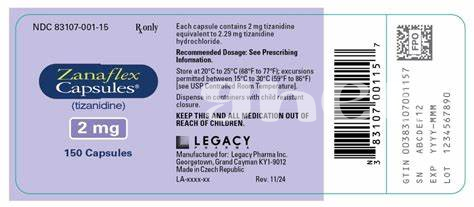
Starting a muscle relaxant often feels like learning a rhythm: clinicians generally begin with a low dose at bedtime and increase slowly, watching for sedation and functional improvement. For zanaflex this means small initial doses separated by days, with caution in elderly or with liver disease.
Patients should report drowsiness, dizziness, or weakness; clinicians may titrate down, extend intervals, or stop therapy. Administration guidance includes taking with food if stomach upset occurs, avoiding alcohol and driving until response is known, and adjusting for renal or hepatic impairment under medical supervision.
Interactions, Contraindications, and Medication Combination Warnings
A careful conversation with your clinician helps reveal how zanaflex might mix poorly with sedatives, antidepressants, or opioids. Narratively, imagine a jittery neuron calmed too far — coordination, breathing, and alertness can suffer if combinations aren’t reviewed.
Contraindicated conditions like severe hepatic impairment or allergy require alternatives; dosing adjustments and slower titration reduce risks. Keep an up-to-date medication list, ask about alcohol avoidance, and report dizziness or confusion promptly to prevent harm.
| Risk | Example |
|---|---|
| Respiratory | depression |
| Opioids | Hypotension |
| Benzodiazepines | Liver |
| dose | adjustment |
| Allergy | avoid |
| Alcohol | avoid mixing |
| Monitor | mental status |
Choosing for Individuals: Age, Pregnancy, Insurance, Cost
Aging bodies respond differently; older adults may experience increased sedation and fall risk with certain relaxants, while younger patients tolerate stronger dosing. Tailoring choice to age balances efficacy with safety, emphasizing minimal cognitive impact concerns.
Pregnancy calls for extra caution: some relaxants cross the placenta or affect breastfeeding, so clinicians often favor drugs with established safety profiles or nonpharmacologic therapy. Shared decision-making helps weigh fetal risks against maternal mobility needs.
Insurance formularies and prior authorization can shape choices; a clinically superior medicine may be denied or require appeals. Patients should review coverage, seek generics when appropriate, and coordinate with prescribers to navigate step therapy hurdles.
Out-of-pocket cost affects adherence: copays, specialty tiers, and pharmacy availability can determine whether therapy succeeds. Discussing cost-saving options, coupons, therapeutic alternatives, and realistic expectations improves long-term adherence and outcomes particularly for those with limited finances.