


To Buy Ozempic Online Visit Our Pharmacy ↓
 Starting Ozempic: Expectations and First-month Timeline
What to Expect during Your First Treatment Week
Starting the injection can feel both hopeful and nerve‑wracking. In the first few days you may notice mild nausea, reduced hunger, or a slight headache; these are common and usually fade as your body adjusts. Injection‑site redness or tenderness is normal and can be eased with gentle massage and rotating sites. Aim to track symptoms and appetite in a simple journal so you can spot patterns to discuss with your clinician.
Expect modest weight changes in the first week — not dramatic loss — and fluctuations from fluid shifts or reduced food intake. Stay hydrated, eat protein‑rich snacks to curb dizziness, and avoid heavy alcohol while adjusting. If severe vomiting, fainting, or allergic signs occur, seek help immediately. Otherwise, patience and gentle self‑monitoring during week one set a realistic foundation for discussions at your follow‑up appointment and plan next steps.
| Symptom | Quick tip |
|---|---|
| Nausea | Small bland meals, sip fluids |
| Injection redness | Rotate sites, cold compress |
Common Side Effects and How to Manage Them

I started ozempic feeling hopeful but cautious; mild nausea and occasional fatigue arrived in the first days. These symptoms are common and usually transient. Small meals, ginger, and resting when needed helped me stay comfortable while my body adjusted to the new routine, gracefully adapting.
If constipation, dizziness, or injection-site redness occur, increase fluids, fiber, and gentle activity; rotate injection sites and use cool compresses. Severe abdominal pain or persistent vomiting requires prompt contact with your clinician. Tracking symptoms daily helps you and your provider adjust doses and expectations safely.
Tracking Progress: Weight, Appetite, and Mood Changes
Starting a new medication can feel uncertain; noticing small patterns helps. Weigh weekly at the same time, and track appetite shifts — smaller portions, less snacking, or changed cravings are common with ozempic. Note energy and sleep; improved appetite control may boost focus, while early side effects can temporarily lower energy. Use a simple log or app to record meals, hunger, and weekly weight so trends become clear.
Emotionally, expect subtle mood fluctuations as your body adjusts; journaling a sentence daily about mood and motivation reveals whether changes are transient or persistent. If you notice persistent anxiety, depression, or mood swings that interfere with daily life, contact your clinician promptly. Celebrate non-scale victories too: steadier appetite, better portion control, and improved confidence are meaningful signs of progress. Adjustments to dose or support strategies can be made based on these tracked observations.
Diet and Hydration Tips to Support Medication Effects
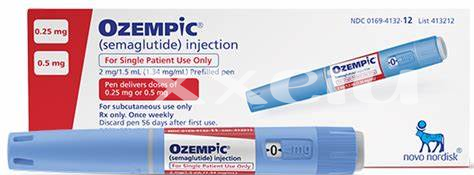
Beginning injections often change appetite and fullness cues, so plan meals that emphasize lean protein, high-fiber vegetables, and whole grains to maintain energy and preserve muscle. With ozempic, smaller portions spaced through the day can prevent overeating; chew slowly and include a source of protein at each meal to stabilize blood sugar and reduce cravings.
Hydration supports digestion and helps manage side effects like nausea or constipation — aim for regular sips, include water-rich foods, and limit sugary drinks. If you feel lightheaded, add modest electrolyte sources (salt, low-sugar sports drinks) and avoid excess alcohol. Keep simple, satisfying recipes and a hydration bottle handy so the medication’s effects help rather than hinder daily routines and balance.
When to Contact Your Clinician or Seek Help
Early reactions vary; if you experience dehydration, high fever, severe abdominal pain, signs of allergic reaction, or severe dizziness, seek help promptly.
Mild nausea or constipation often improves; call your clinician if symptoms worsen, continue beyond a week, or disrupt daily life, and seek guidance.
Rapid weight loss, lightheadedness, blood sugar swings, or mood changes should be reported—especially when starting ozempic or adjusting dose to prevent complications.
Keep a symptom log, bring it to appointments, and use emergency services for breathing difficulty, fainting, or uncontrolled bleeding; closely follow advice immediately.
| Warning | Action |
|---|---|
| Severe abdominal pain | Call clinician |
| Breathing difficulty | Emergency services |
Adjusting Expectations: Realistic Timelines and Next Steps
In the first month, expect gradual changes rather than dramatic shifts; some people notice appetite reduction and modest weight loss, while others need more time. Patience is key—body responses vary with metabolic rate, lifestyle, and dose adjustments. Expect subtle shifts week to week rather than overnight transformation and be consistent.
Track progress with photos, measurements, and a simple journal noting hunger, energy, and mood. Celebrate small wins like smaller portions or fewer cravings, and share patterns with your clinician to fine-tune treatment.
If improvements stall after several weeks, discuss dose, adherence, and complementary strategies such as diet tweaks or activity increases. Remember the medication is one tool—consistent habits and realistic timelines make lasting results possible.