


To Buy Lariam Online Visit Our Pharmacy ↓
 Understanding Lariam’s Neuropsychiatric Side Effects
Why Mefloquine Was Widely Prescribed for Malaria
Introduced in the 1970s, this antimalarial quickly became a go-to option for soldiers and travelers facing chloroquine-resistant strains. Its weekly dosing and long persistence in the body simplified logistics for long deployments and expeditions, creating a practical allure beyond efficacy.
Clinicians valued a drug that combined potent activity against falciparum malaria with convenient administration: a single weekly pill reduced missed doses and eased adherence versus daily regimens. Pharmacologically, its half-life offered sustained protection, especially useful where access to health care was limited.
Widespread use followed from military adoption, favorable early trial results, and inclusion in travel medicine guidelines. Over time, however, accumulating safety reports prompted reassessment, changing prescribing patterns and stimulating development of safer alternatives.
| Feature | Benefit |
|---|---|
| Weekly dosing | Improved adherence |
| Long half-life | Sustained protection |
| Activity against resistant strains | Effective in endemic areas |
| Military adoption | Logistical convenience |
Range and Frequency of Neuropsychiatric Reactions Reported
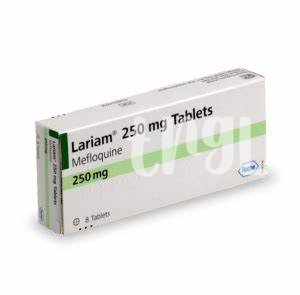
Clinicians and travelers learned quickly that lariam can provoke a spectrum of reactions, from mild sleeplessness and vivid dreams to acute anxiety and mood changes, often appearing within days of dosing and disrupting daily function.
Population studies and postmarketing reports vary, showing mild complaints at single-digit to low double-digit percentages while serious events like psychosis, hallucinations, or seizures are uncommon, reported far less frequently but with significant clinical impact globally.
Most neuropsychiatric complaints remit within weeks after discontinuing the drug, yet a minority report persistent symptoms lasting months or years. This uncertain persistence fuels controversy, prompting closer surveillance and cautious prescribing in vulnerable individuals altogether.
Reported frequencies vary by dose, genetics, coexisting psychiatric conditions, and concurrent medications; military and traveler cohorts highlighted patterns. Clinicians should weigh benefits, counsel patients on warning signs, and report adverse events to improve safety data.
Proposed Biological Mechanisms Behind Brain Effects
Researchers describe the brain effects of lariam as convergence of processes: disruption of neurotransmitter balance, mitochondrial dysfunction, and neuroinflammation. Animal and human studies suggest mefloquine alters serotonin, dopamine and GABA signaling, which can provoke anxiety, vivid dreams, and mood instability.
Mefloquine may impair neuronal energy metabolism by damaging mitochondrial membranes and increasing oxidative stress, weakening synaptic resilience. Blood–brain barrier permeability changes and direct neurotoxic action have been proposed to allow persistent symptoms even after the drug clears.
Genetic differences in drug transporters and hepatic enzymes, together with prior brain injury or infection, likely modulate susceptibility, explaining why outcomes vary widely. Understanding these mechanisms guides safer prescribing and targeted treatments. Further research is urgently needed worldwide.
Who Is Most Vulnerable: Risk Factors Explained

Some individuals are more susceptible to lariam’s brain effects; a history of psychiatric illness—depression, anxiety disorders, bipolar disorder, or psychosis—significantly raises risk.
Neurological background matters too: prior seizures, traumatic brain injury, or persistent vestibular problems increase likelihood of adverse reactions, as do concurrent use of neuroactive drugs.
Demographics and dosing patterns contribute—women and those at extremes of body weight may metabolize the drug differently; high doses or repeated exposure, such as multiple prophylactic courses, amplify risk.
Environmental stressors, sleep deprivation, alcohol or illicit drug use, and genetic differences in liver enzymes can tip the balance toward persistent symptoms, so personalized assessment before prescribing is essential. Patients should promptly report early warning signs to their clinician.
Recognizing Symptoms: Acute Versus Long Term Presentations
A sudden wave of confusion, vivid dreams, dizziness or panic can mark an acute reaction to lariam. Within hours to days of taking the drug, patients often describe insomnia, intense nightmares, irritability and bouts of disorientation that feel startlingly out of character and sensory disturbances such as tinnitus or visual blurring.
When symptoms persist after stopping the medication, they may evolve into chronic anxiety, balance problems, cognitive fog, persistent mood swings or depression. Some people report sensory disturbances and sleep disruption that undermine work and relationships for months or years. Occasional suicidal thoughts should be taken seriously.
Key differences are timing and persistence: acute effects onset rapidly and may remit after cessation, while long-term presentations continue or progress. Early recognition, documenting onset relative to dosing, and consulting a clinician can hasten appropriate assessment and support. Bring medication dates and contacts.
| Onset | Typical signs |
|---|---|
| Acute | Insomnia, vivid dreams, panic, dizziness |
| Long-term | Anxiety, cognitive fog, balance issues, mood disorders |
Management Strategies, Alternatives, and Prevention Recommendations
When neuropsychiatric symptoms emerge during or after mefloquine use, immediate cessation of the drug is essential and clinicians should provide reassurance, safety assessment, and symptomatic treatment, short courses of benzodiazepines for severe anxiety or insomnia, antiemetics for nausea, and hospital evaluation if suicidal ideation or psychosis occurs. Early psychiatric consultation and documentation guide follow-up. For persistent or delayed symptoms, multidisciplinary care including neurology, psychiatry, and rehabilitation can help tailor cognitive therapy and pharmacologic strategies.
When selecting malaria prevention, favor safer alternatives such as doxycycline or atovaquone-proguanil where effective and tolerated, and reserve mefloquine only after individualized risk-benefit discussion. Pre-travel screening should identify prior psychiatric or neurologic conditions, and travelers must be counseled to report early symptoms. Maintain low threshold for stopping prophylaxis, arrange follow-up, and report suspected adverse reactions so clinicians and regulators can define risks and improve prescribing guidance.