


To Buy Cephalexin Online Visit Our Pharmacy ↓
 Cephalexin Versus Amoxicillin: Which to Choose?
How Cephalexin and Amoxicillin Work Differently
Imagine two locksmiths at the bacterial cell wall: both wear beta‑lactam keys, but their fits differ. Each targets penicillin‑binding proteins to stop cell‑wall construction and trigger bacterial lysis during growth.
Cephalexin, a first‑generation cephalosporin, binds PBPs with stronger activity against staphylococci and some skin pathogens. Amoxicillin, an aminopenicillin, reaches different Gram‑negative species but is more vulnerable to beta‑lactamases in practice.
Mechanistic nuances shape therapy: cephalexin’s cephalosporin backbone often withstands certain beta‑lactamases, favoring skin and soft tissue infections, while amoxicillin’s permeability suits respiratory and urinary pathogens when resistance is absent clinically.
Bacterial Spectrum: Which Bugs Each Drug Targets
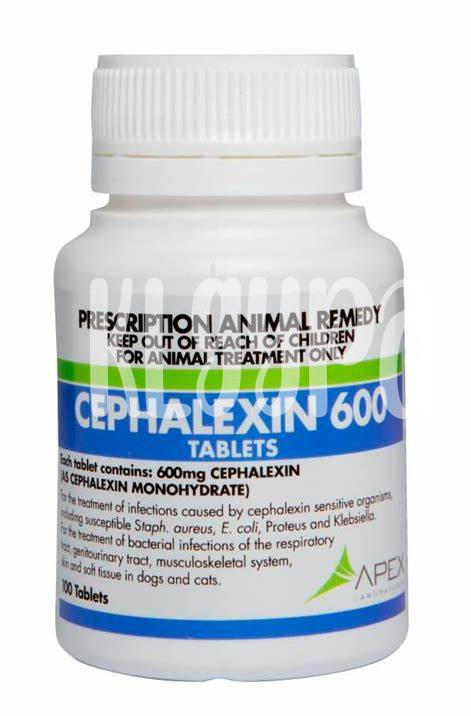
Imagine two allies in infection control: amoxicillin often targets many streptococci and enterococci, while cephalexin favors gram positive skin organisms, especially staphylococci strains.
Amoxicillin covers some gram negative rods such as Haemophilus and E coli, especially when paired with clavulanate; cephalexin is weaker against them.
Neither reliably treats atypical organisms like Mycoplasma; anaerobic activity varies by drug combination, with amoxicillin clavulanate offering more anaerobe coverage than cephalexin.
So pick based on suspected pathogen and local resistance: amoxicillin for broader enteric and respiratory coverage, cephalexin for uncomplicated skin infections in practice.
Common Clinical Uses and Typical Treatment Scenarios
High fever and a spreading red rash send a parent running to the clinic; the decision often hinges on likely pathogens and allergy history. Cephalexin is a reliable oral option for skin and soft tissue infections, boils, and wound prophylaxis.
In adult urinary tract infections and uncomplicated cystitis, cephalexin can be effective when local susceptibilities permit; clinicians also choose it for respiratory infections caused by susceptible strains, and as a practical outpatient agent after emergency discharge or follow up care.
Dentists sometimes prefer other agents because cephalexin lacks reliable anaerobic coverage, but it remains a go to for uncomplicated cellulitis and skin abscesses after drainage. Patient allergy, culture results, and local resistance shape final choice.
Safety Profiles: Side Effects and Allergy Considerations
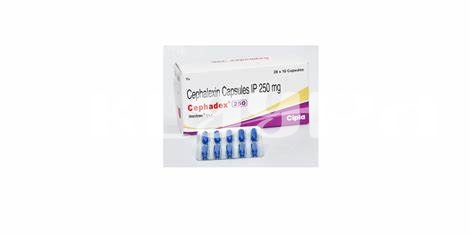
Patients often worry about side effects, so it helps to set realistic expectations. Cephalexin commonly causes gastrointestinal upset such as nausea and diarrhea, while most adverse effects are mild and resolve after treatment ends quickly.
Allergic reactions range from mild rashes to rare anaphylaxis; immediate hypersensitivity requires urgent care. Cross-reactivity with penicillins is lower for cephalexin but not zero, so clinicians ask detailed allergy histories before prescribing and document risks.
Monitoring is simple: stop therapy for spreading rash, high fever, or severe diarrhea suggestive of C. difficile. Rarely, cephalosporins affect liver enzymes or blood counts, so prolonged courses may warrant baseline and follow-up labs as indicated.
Decisions weigh expected benefit against risks and patient factors like age, pregnancy, comorbidities, and prior reactions. Communicate likely side effects, advise when to seek help, and choose alternatives for confirmed severe penicillin allergies or intolerance.
Dosing, Pharmacokinetics, Interactions, and Practical Tips
Clinicians set doses by infection and patient factors; typical adult regimens use moderate, frequent dosing to maintain therapeutic levels and minimize toxicity.
cephalexin clears rapidly with renal elimination, so adjust doses for reduced kidney function and watch for accumulation in elderly or severe illness.
Drug interactions are few, but probenecid can raise levels; discuss antibiotics with other prescribers and review OTC medicines and supplements for safety reasons.
Practical tips: complete courses, time doses evenly, take with or without food as tolerated, and counsel patients about side effects and adherence regularly.
| Item | Note |
|---|---|
| Renal | Adjust dose |
| Probenecid | May increase levels |
Choosing Wisely: Resistance, Cost, and Patient Factors
Consider community resistance patterns before selecting therapy; cephalexin can cover some beta‑lactamase–producing strains less predictably, while amoxicillin is often effective for susceptible organisms. Local antibiograms and recent antibiotic exposure guide prudent choice.
Cost, availability, and insurance coverage influence adherence; generic amoxicillin is widely inexpensive, whereas cephalexin prices vary. Discuss out-of-pocket costs with patients and consider pill burden and dosing frequency to maximize completion and clinical follow-up plans too.
Individual patient factors steer selection: penicillin allergy history mandates careful evaluation — many labeled allergic patients tolerate cephalosporins, but true IgE reactions favor alternatives. Consider pregnancy, renal function, age, and prior C. difficile infection risk or immunosuppression.
Antimicrobial stewardship matters: choose narrowest effective agent, shortest evidence-based duration, and reassess therapy with culture results. Shared decision-making about risks, expected benefits, and follow-up ensures adherence and reduces unnecessary selective pressure driving resistance, preserving future options.