


To Buy Buspar Online Visit Our Pharmacy ↓
 Stopping Buspar: Withdrawal, Tapering, and Recovery
Recognizing Buspirone Withdrawal Symptoms and Timeline
I remember the first days after stopping: a creeping unease, nights that felt louder, and small tremors in my hands. These early signs often arrive within two to five days and can mimic the original anxiety.
Common reactions include dizziness, nausea, headaches, irritability, sleep disturbance, and emotional numbness. Cognitive fog and heightened sensory sensitivity are also reported. Symptoms typically peak in the first two weeks but vary by dose and duration of use.
Most people improve over weeks to months, though a minority experience protracted symptoms. Tracking patterns, staying connected with clinicians, and avoiding abrupt changes can clarify whether symptoms are transient withdrawal or a recurrence needing different treatment and prompt individualized follow up care.
| Onset | Typical Peak | Duration |
|---|---|---|
| 2–5 days | 1–2 weeks | Weeks to months |
Safe Tapering Strategies to Minimize Discomfort
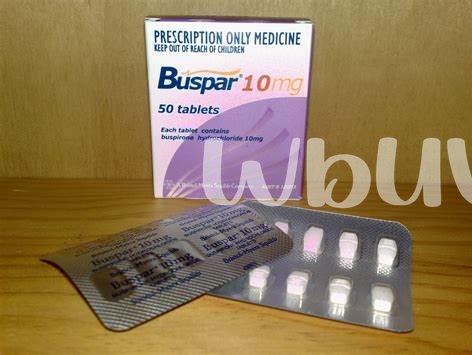
I remember the first week tapering off buspar; small reductions felt manageable yet noticeable. Begin with gradual decreases under physician guidance, tracking symptoms daily and adjusting pace to tolerance safely.
A micro-taper often reduces withdrawal intensity: tiny, consistent cuts over weeks or months. Use pill-splitting or compounding pharmacies, keep a symptom diary, and avoid abrupt cessation without medical oversight completely.
Coordinate with your prescriber to set checkpoints, pausing reductions if symptoms spike. Consider adjunctive therapies like CBT, sleep hygiene, exercise, and social support to ease transitions and ensure steady recovery.
When to Seek Medical Advice during Taper
I remember the ache in my chest. If you experience sudden, severe symptoms, such as intense dizziness, fainting, chest pain, shortness of breath, high fever, or seizures, seek emergency care immediately.
Emotional changes can be subtler but equally urgent; contact your prescriber if depression deepens, panic attacks increase, suicidal thoughts appear, or you develop new hallucinations or severe insomnia, as these may need prompt medication review.
Also reach out if withdrawal persists beyond days you expected, if you are pregnant, have comorbid conditions, complex drug interactions, or are taking buspar with other psychotropics; clinicians can safely adjust your taper, suggest short-term supports, or arrange closer monitoring and set up prescriptions, tests, and lab monitoring.
Coping Techniques for Emotional and Physical Symptoms
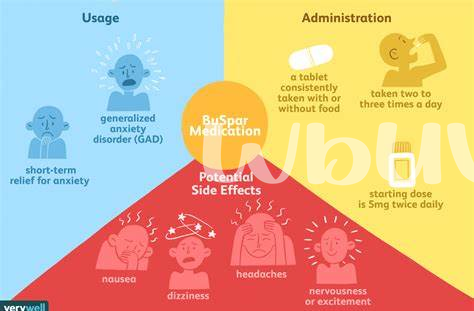
When anxiety flares during tapering, grounding exercises can anchor you. Focused breathing, 5-4-3-2-1 senses checks, and walks shift attention easing panic.
Physical discomfort responds well to routine: gentle stretching, hydration, sleep, and over-the-counter remedies after consulting your prescriber. Heat, massage, and paced activity ease muscle tension.
Record symptoms in a journal to spot patterns and share progress with clinician. Clear notes help adjust buspar doses and judge if medical support is needed.
Lean on support groups, therapists, or friends; validation reduces isolation. Daily rituals rebuild confidence and resilience during recovery.
Lifestyle Changes That Support Brain Recovery Safely
After stopping buspar, treat your brain gently: prioritize regular sleep, balanced meals, and light, consistent exercise. Small routines anchor the nervous system when signals feel unstable; gratitude journaling and brief walks expose you to sunlight and fresh air, aiding circadian rhythm and mood regulation without pharmacological interference.
Nutrition matters: prioritize protein, omega-3s, and hydration to support neurotransmitter rebuilding. Social connection and paced cognitive activity—puzzles, reading, or light learning—help reestablish neural pathways. Avoid alcohol and stimulants during recovery; they can amplify withdrawal discomfort and delay progress.
| Habit | Why it helps |
|---|---|
| Consistent sleep schedule | Restores neurotransmitter balance and repairs synapses overnight |
| Whole-food diet with omega-3s | Provides building blocks for brain recovery, steady energy, and inflammation control |
| Daily gentle movement | Boosts neuroplasticity, circulation, mood and reduces stress |
| Mindful practices and social support | Calms stress hormones, eases anxiety, and aids emotional regulation over time |
Realistic Expectations for Timeline and Full Recovery
Recovery unfolds unevenly; some days feel resolute, others fragile. Expect early weeks of marked improvement, then plateaus. Cognitive fog and moods often recede slowly. Patience and practical supports matter for sustainable progress over months ahead.
Short-term withdrawal typically peaks within days to weeks, while normalization of neurotransmitter systems can require several months. Individual factors such as dosage, duration and biology shape the pace. Consultation ensures safer, tailored planning throughout always.
Recovery is rarely linear; improvements can be followed by setbacks that do not mean failure. Track patterns, celebrate small gains, and rely on supports. Gradual confidence returns as routines and sleep normalize over subsequent months.
Many reach substantial recovery within three to twelve months, though subtle vulnerabilities may linger. Long term resilience improves with steady self-care, follow up medical review, and gradual resumption of challenging tasks and realistic, patient expectations.