


To Buy Bimatoprost Online Visit Our Pharmacy ↓
 Applying Bimatoprost Correctly: Dosage and Technique Guide
Understanding Bimatoprost How It Works Precisely
Think of it as a tiny messenger that nudges dormant hair follicles toward growth. Applied topically, the solution binds to receptors in the eyelid margin, prolonging the anagen phase and increasing lash length and thickness. Cellular signaling ramps up melanin production and follicle cycling, which yields visible change over weeks rather than instant results.
Proper timing and small nightly dosing matter: a single drop to the base of the upper lid minimizes waste and systemic exposure. Patience and consistency are essential; cessation gradually reverses gains. Eye exams are recommended before starting to identify contraindications like glaucoma history or ocular inflammation. When used correctly, benefits are measurable and generally localized, but monitoring supports safe, effective outcomes.
| Action | Effect |
|---|---|
| Nightly drop | Prolongs anagen |
Recommended Dosage Finding Your Safe Effective Amount
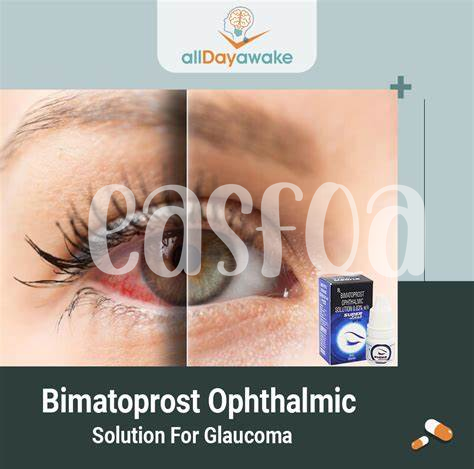
Start conservatively: most people begin with a single nightly drop applied to the base of the upper eyelashes. Discuss your history with a clinician to personalize the bimatoprost concentration and frequency.
If irritation arises, pause use and consult; users often see benefits within weeks, but full effect can take months. Never exceed prescribed dose—more frequent application may cause harm over time.
Regular follow-up allows safe tapering or continuation; pregnant patients, children, and those with eye disease require specialist oversight. Store unopened product per label and avoid contamination for best outcomes.
Step by Step Application Technique for Optimal Results
Begin with clean hands and a fresh, single-use applicator. Remove makeup and contact lenses before treatment; tilt your head back, pull down the lower lid, squeeze one drop of bimatoprost onto the applicator or into the conjunctival sac. Apply once nightly to the upper eyelid margin only—avoid getting product directly into the eye or on the lower lid.
After application, blot away excess with a tissue, close your eyes briefly, and discard the applicator. Wait at least 15 minutes before reinserting contact lenses or applying cosmetics. Consistency matters—use nightly and track progress, but stop and consult a clinician if you experience persistent redness, irritation, vision changes, or an unusual skin darkening around the application site.
Common Side Effects and When to Seek Help
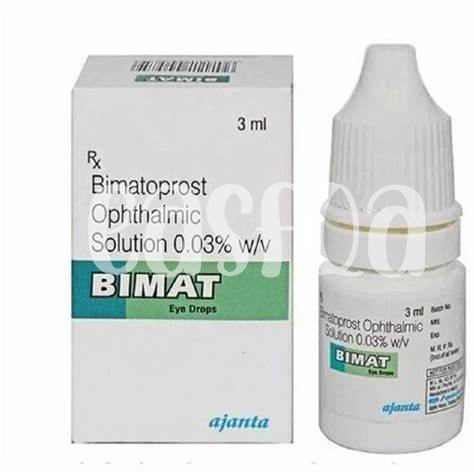
Many users notice early, mild reactions when starting bimatoprost, such as eye redness, itchiness, or darkening of eyelid skin. These effects often fade within weeks as the body adjusts, and gentle cleansing plus avoiding other eye products can help.
However, seek medical attention if you experience persistent pain, sudden vision changes, intense swelling, or signs of infection like discharge or fever. Serious ocular pressure changes or prolonged pigmentation shifts warrant prompt evaluation to prevent lasting harm.
Document symptoms, timing, and any concurrent medications, and consult your prescriber before stopping treatment. Timely communication and routine follow-up optimize safety and allow adjustments that preserve both results and eye health. If unsure, reach out to your healthcare provider.
Troubleshooting Avoiding Mistakes and Maximizing Efficacy
Early on I learned that small habits determine success: steady hands, a clean applicator and strict timing. With bimatoprost, avoid applying too much—one microdrop along the upper lid is enough—and never touch the tip to skin to prevent contamination. Remove contact lenses before application, wait fifteen minutes before reinserting them, and discard any solution that changes color or causes persistent stinging.
If irritation, redness or vision changes occur, stop use and consult your clinician promptly; mild dryness can respond to artificial tears, but significant swelling needs medical review. For best results, store the bottle upright, follow prescribed frequency, and use a fresh sterile applicator each time—small corrections often restore progress and maximize efficacy with patience.
| Mistake | Fix |
|---|---|
| Touching tip | Use sterile applicator |
| Overapplying | One microdrop only |
Lifestyle Tips to Support Treatment and Results
Imagine waking to subtly fuller lashes; small daily choices amplify that change. Stick to a consistent application schedule, remove eye makeup before applying, and avoid rubbing your eyes. Protect skin from sun and harsh chemicals, and sleep on a clean pillowcase to reduce contamination and irritation.
Hydration and a nutrient-rich diet support hair growth—think protein, iron, biotin, and vitamins A and D. Skip smoking, limit heavy mascaras and eyelash curlers, and remove contact lenses before applying. Keep follow-up appointments and report any unusual redness or vision changes to your clinician.